As one of the largest occupational therapy practices in the country, we are privileged to be able to provide services to clients experiencing a wide range of sensory processing difficulties. As we have grown over the last three decades, our goal has remained unchanged–to provide the highest quality occupational therapy and speech and language therapy services possible.
Please browse our website to find out more about sensory integration, our services, and our research initiative. We hope you will find it informative.
How to get started.
Virtual Tour
Take a virtual tour of OTA The Koomar Center, located at 74 Bridge Street in Newton, MA.
Our Founder
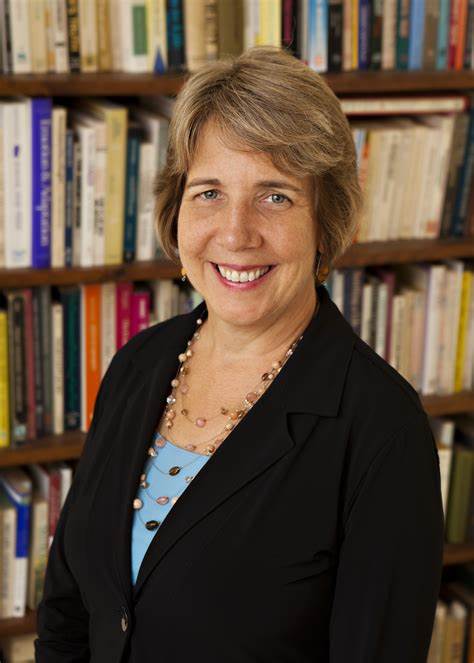
Jane Koomar, PhD, OTR/L, FAOTA
1954 – 2013
The late Dr. Koomar co-founded OTA-Watertown in Watertown Square in 1983, and it is now known as OTA The Koomar Center in Newton, Massachusetts. She served as President ot OTA as well as President of the Board of the Spiral Foundation. She was also a Professor of Practice at Tufts University, Boston School of Occupational Therapy. She completed her PhD in developmental psychology at Boston University where she was also an assistant professor in occupational therapy. In 1984 she studied with Dr. Jean Ayres, who developed the theory of sensory integration. Sadly Dr. Koomar passed away in February of 2013.
Dr. Koomar, an icon in her field, meant so much to so many people, and changed for the better the lives of thousands of children and their families. Many titles come to mind when trying to describe Dr. Koomar: mother, wife, visionary, entrepreneur, scientist, educator, author, mentor, and healer, but what probably describes Dr. Koomar best is not a title, but the sincerity and humanity of her actions. Her gift to see the strength in people by supporting them to be the best they can possibly be, and her selfless capacity to nurture the souls of those she taught, treated, and mentored is immeasurable.
Dr. Koomar reached people in ways that no others could.
OTA News & Information

Join Our Dynamic Team at OTA!
Part-time & full-time occupational therapist – positions are available for weekday, evening and Saturday hours. We are also looking for experienced speech-language pathologists with their CCC to conduct evaluations and provide treatment in our clinic setting.

FOCUS for Mealtime Success
FOCUS for Mealtime Success has been offering mealtime evaluation and treatment services for more than 30 years and is a national leader in providing experienced, collaborative, cutting-edge occupational therapy assessment and intervention for individuals of all ages.

More Than Words® — The Hanen Program®
A Program for parents of children with Autism Spectrum Disorder. This parent program focuses on a child’s everyday activities and interests as the context for facilitating communication. This research supported program helps parents become their child’s most effective language facilitator.
Testimonials
OTA The Koomar Center stands against racial injustice.
To live up to OTA’s vision “to create an environment of love, acceptance, and support that enables clients to function at their best”, we are working to educate ourselves about the best ways to use our roles to address systemic racism at the personal, company, and community levels. We hope you maintain your trust in us as we put our values and commitments into sustainable action.
We recognize that we need to do more to listen, learn, empathize and make it safe to talk openly about racial injustice in our work environment. We are making a long-term commitment to educate ourselves about the issues, create a program of outreach to underserved communities, re-examine our recruitment and hiring practices, and to advocate for greater access to healthcare for people of color. These action steps will keep us focused on this critical social need.
We know we can do more, and we will.